

SoftWave Therapy in Centerville, OH — Gem City Chiropractic
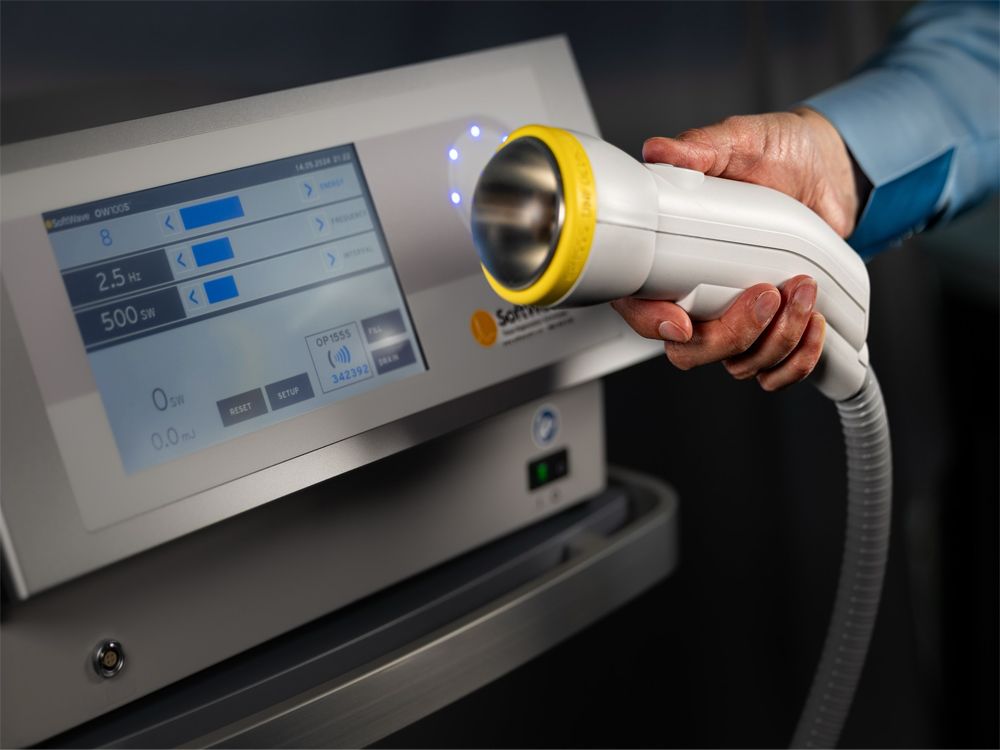
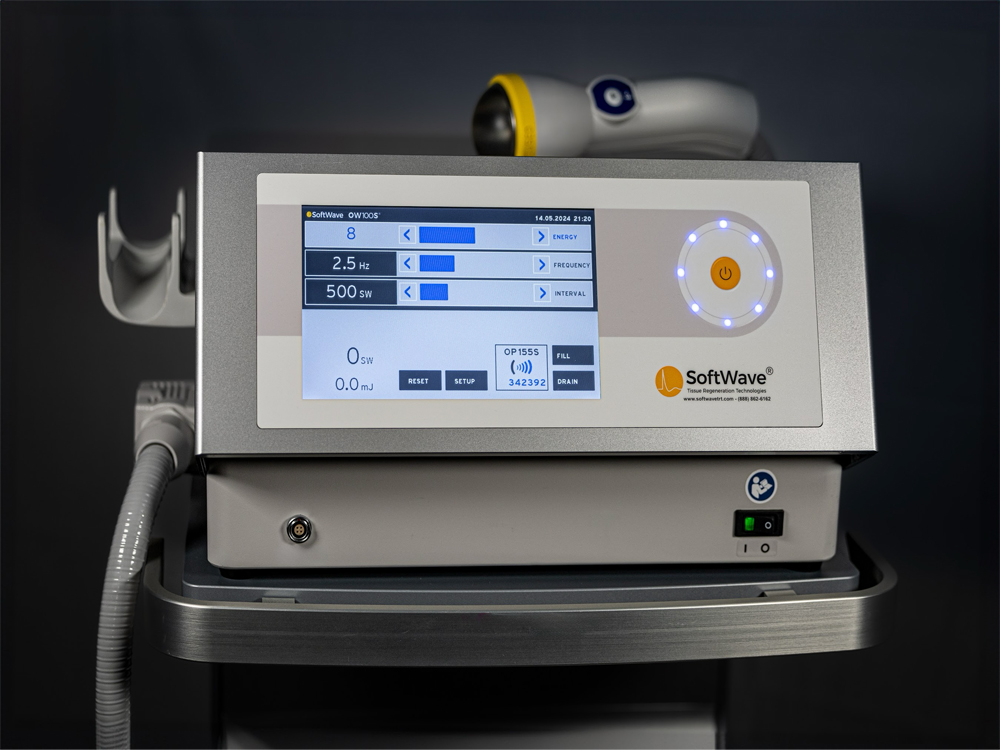
Gem City Chiropractic is one of the few practices in the Dayton area offering SoftWave Tissue Regeneration Technology — an FDA-cleared, non-surgical acoustic wave therapy that stimulates your body's natural healing response. Whether you've been dealing with chronic pain for months or recovering from a recent injury, SoftWave may help when other treatments have fallen short.
Conditions treated (add as a visual list or chip-style tags):
Plantar Fasciitis
Tennis Elbow / Golfer's Elbow
Shoulder Pain & Rotator Cuff Injuries
Tendonitis & Bursitis
Knee Pain
Hip Pain
Chronic Back & Neck Pain
Soft Tissue Injuries & Scar Tissue
Stubborn Pain That Has Not Responded to Traditional Care
Frequently Asked Questions
What is SoftWave therapy?
SoftWave therapy uses acoustic waves to stimulate the body's natural healing response — improving blood flow, activating tissue repair, reducing inflammation, and promoting healing in damaged muscles, tendons, and ligaments.
Is SoftWave therapy safe?
Yes. SoftWave is a safe, non-surgical treatment. Most patients tolerate it well. Treatment is performed based on the patient's condition, symptoms, and clinical findings.
What does SoftWave feel like?
Most patients describe it as a pulsing or tapping sensation. Some areas may be more sensitive if inflamed, but treatment is typically brief and well tolerated.
How many treatments are needed?
The number of treatments depends on the condition and severity. Many patients benefit from a series of treatments over several weeks. Some notice improvement after the first session.
Who is a good candidate?
Good candidates include patients with tendon injuries, plantar fasciitis, shoulder pain, elbow pain, knee pain, hip pain, and chronic musculoskeletal problems that have not fully responded to traditional care.
How it works?
Equipment


Our Services
Contact Info
Hours of Operation
- Monday
- 8:00 am - 12:00 pm
2:00 pm - 5:30 pm - Tuesday 2:00 pm - 5:30 pm
- Wednesday
- 8:00 am - 12:00 pm
2:00 pm - 5:30 pm - Thursday 7:00 am - 12:00 pm
2:00 pm - 5:30 pm - Friday Closed
- Saturday Closed
- Sunday Closed
© 2026 Gem City Chiropractic. All rights Reserved. Accessibility Statement - Privacy Policy - Sitemap
Powered by:
